Hyperbaric Oxygen Therapy (HBOT): Boost Healing and Recovery Naturally
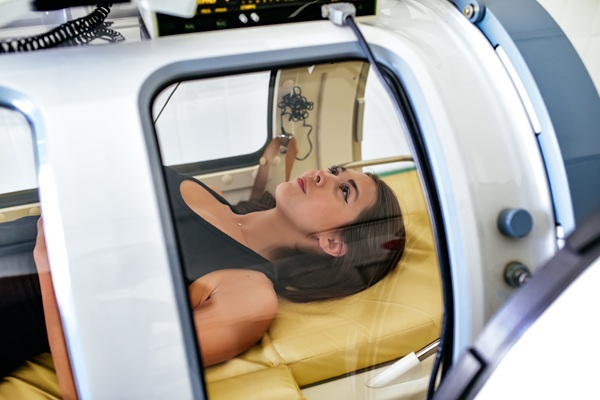
The human body has an effective ability to heal itself. However, it sometimes requires additional support. Hyperbaric oxygen therapy (HBOT) is a natural way to enhance the healing and recovery process. This innovative treatment increases oxygen availability in the body, promoting cell regeneration and reducing inflammation.
Understanding hyperbaric oxygen therapy
Hyperbaric oxygen therapy involves breathing pure oxygen in a pressurized environment. This process significantly increases oxygen concentration in the bloodstream, allowing it to reach tissues more effectively. During a treatment session, individuals undergoing HBOT enter a specialized chamber where the atmospheric pressure is 2 to 3 times higher than normal. The air that humans breathe every day is 21% oxygen. Meanwhile, HBOT incorporates 100% oxygen, allowing the lungs to collect more of it and deliver it to parts of the body, fighting off infections and injuries. This process is known as hyperoxia.
HBOT is an FDA-approved and regulated treatment method for various health conditions. As of 2021, the FDA has cleared hyperbaric chambers for the following health issues:
- Air and gas bubbles in blood vessels
- Severe and large burns
- Carbon monoxide poisoning
- Decompression sickness
- Gas gangrene
- Skin infection
- Skin graft flap at the risk of tissue death
- Non-healing chronic wounds (diabetic foot ulcers)
- Sudden vision or hearing loss
Hyperbaric oxygen therapy complements a holistic approach to health and wellness. Many wellness centers combine HBOT with other complementary therapies to enhance overall well-being. Wellness centers can achieve a more comprehensive and sustainable recovery by addressing multiple aspects of the patient's health.
The benefits of HBOT for healing and recovery
By optimizing the oxygen delivery process to injured tissues, hyperbaric oxygen therapy provides multiple health benefits. Some of its primary advantages include:
Accelerated wound healing
Increased oxygen levels promote the formation of new blood vessels and collagen. These properties are both essential for tissue repair. For example, HBOT has been particularly effective in accelerating the recovery of non-healing wounds, including diabetic ulcers and radiation injuries from cancer treatment.
Reduced inflammation and pain
Chronic inflammation can contribute to various health issues, including autoimmune conditions and joint disorders. HBOT helps reduce inflammation by regulating the body's immune response and decreasing oxidative stress. This leads to pain relief and improved mobility.
Enhanced neurological function
Research indicates that HBOT may benefit individuals recovering from traumatic brain injuries, strokes, and neurological disorders. For example, a 2020 study by LSU Health found that a patient with Alzheimer's disease had a 38% increase in their brain metabolism after 40 HBOT treatments spread over five days a week for 66 days. By increasing oxygen supply to the brain, HBOT can help support cognitive function, memory, and nerve regeneration, which is crucial for long-term neurological recovery.
Improved athletic performance and recovery
Athletes often use HBOT to improve their endurance and expedite muscle recovery. The therapy reduces muscle fatigue, speeds up healing from injuries, and minimizes oxidative stress caused by intense physical activity.
Support for chronic conditions
Individuals managing conditions such as fibromyalgia, Lyme disease, and chronic fatigue syndrome may experience symptom relief with HBOT. By improving oxygen delivery to affected tissues, the therapy can boost their energy production and cellular repair, contributing to overall well-being.
What to expect during an HBOT session
Individuals receiving hyperbaric oxygen therapy enter a specialized chamber with increased air pressure. The duration of each session varies. It can last from as little as three minutes to two hours. However, most sessions are between 60 and 90 minutes.
There are two types of HBOT chambers: monoplace and multiplace.
- Monoplace HBOT chamber: This chamber is a clear tube that accommodates one person. The patient will lie on a bed that slides into the chamber, which is pressurized with pure oxygen.
- Multiplace HBOT chamber: A multi-place chamber that accommodates two or more people. The air is pressurized in the room while each person simultaneously inhales pure oxygen through a mask or a clear hood over their head.
During the session, individuals may experience pressure in the ears, similar to what occurs during altitude changes on airplanes. This is a normal response to the increased pressure and usually resolves on its own when the treatment session is over.
Depending on the patient's condition, they may need multiple treatment sessions. The wellness center will customize a treatment plan based on their unique needs. This helps ensure the best possible treatment outcomes.
Schedule a consultation today
Hyperbaric oxygen therapy offers a natural and effective way to boost healing and recovery. Las Vegas Medical Institute offers HBOT in the Las Vegas area. Call our office to learn more or to schedule a consultation.
Request an appointment here: https://lasvegasmedicalinstitute.com or call Las Vegas Medical Institute at (725) 258-5864 for an appointment in our Las Vegas office.
Check out what others are saying about our services on Yelp: Hyperbaric Oxygen Therapy in Las Vegas, NV.
Related Posts
The P-Shot, also known as the Priapus Shot, is one of the most discussed regenerative autologous treatments in men's sexual health today. It uses platelet rich plasma drawn from the patient's own blood to support sexual function, sexual performance, and overall vitality. For men dealing with erectile dysfunction or simply looking to maintain peak performance,…
Morpheus8 for arms is a minimally invasive treatment that combines microneedling with radiofrequency energy to tighten loose skin, improve skin texture, and support collagen production in the deeper layers of the skin. For patients bothered by crepey arm skin, mild sagging skin, or uneven texture, it offers a non surgical tightening option with minimal downtime…
Morpheus8 cost in Las Vegas typically runs $1,000–$5,000, depending on the treatment area, and the number of sessions. In plain terms: smaller zones (like under-eyes or targeted acne scars) sit closer to the low end, while larger body areas and more intensive settings push pricing toward the top.For most patients, the fastest way to budget…
Morpheus8 for buttocks is a minimally invasive RF microneedling treatment that can tighten loose skin, improve skin texture, and reduce cellulite-like dimpling by stimulating collagen production, especially when skin laxity is mild. It works by delivering radiofrequency energy through microneedles to heat deeper layers, which helps stimulate collagen production and support firmer skin over the…